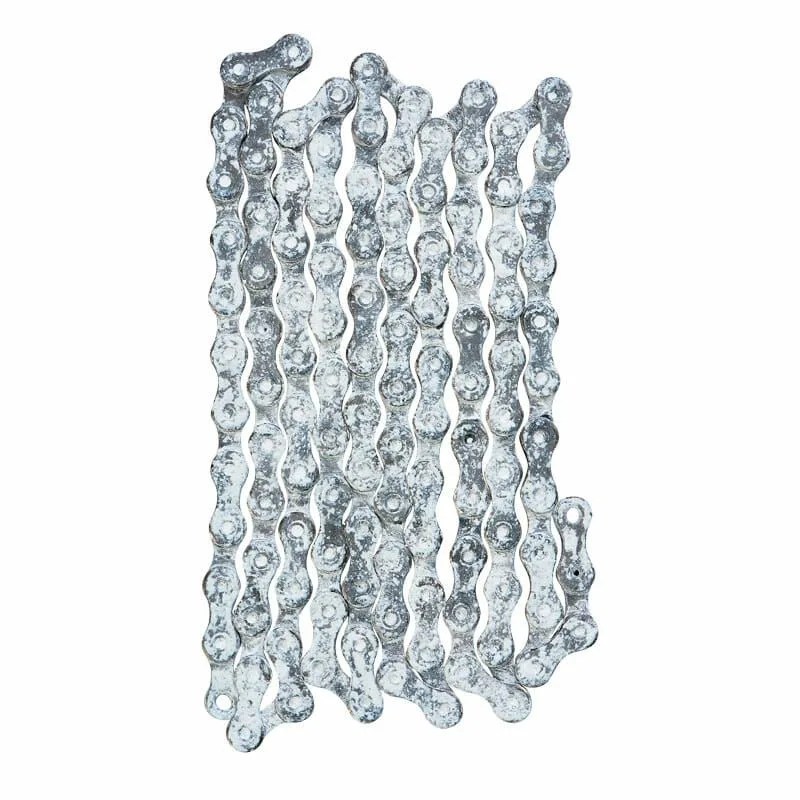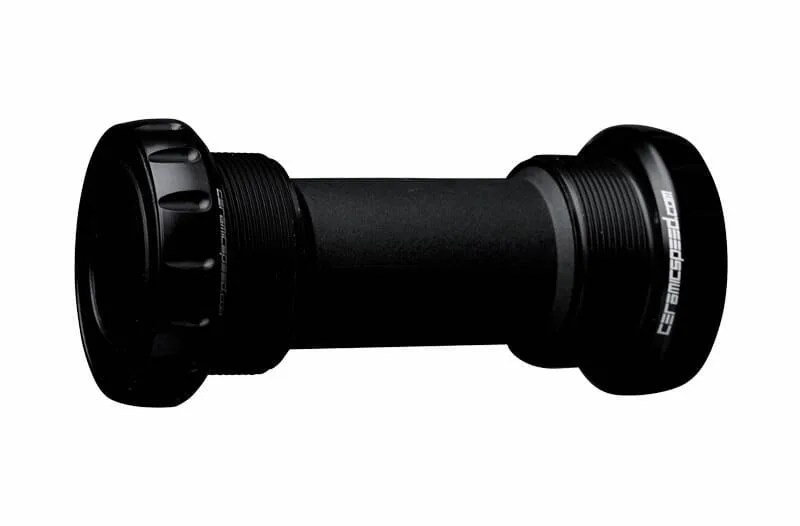

There’s a stigma in the cycling world when it comes to oversized pulley wheels and ceramic bearings. That they’re for dentists with too much money to spend, or pros and no one else. The stigma is perpetuated on Instagram accounts like @cat3memes, an account dedicated to making fun of road cyclists and their idiosyncrasies (or as described in its profile bio: “Stiff, lightweight, full-carbon memes for the amateur road cycling community.”). But what if simply adding oversized ceramic pulley wheels, ceramic bottom bracket bearings and a better chain to your drivetrain could make you 6-14 watts more efficient when riding?
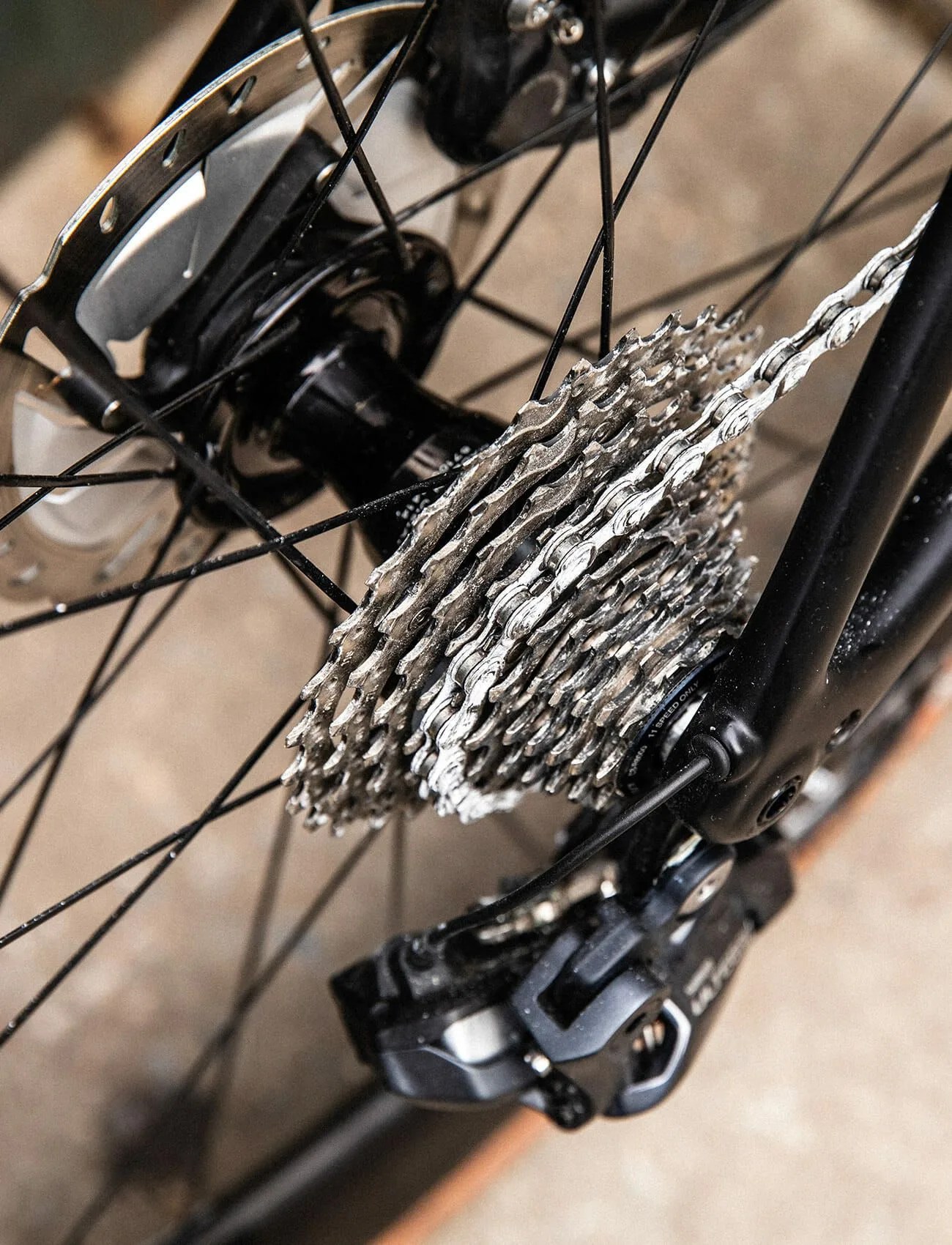
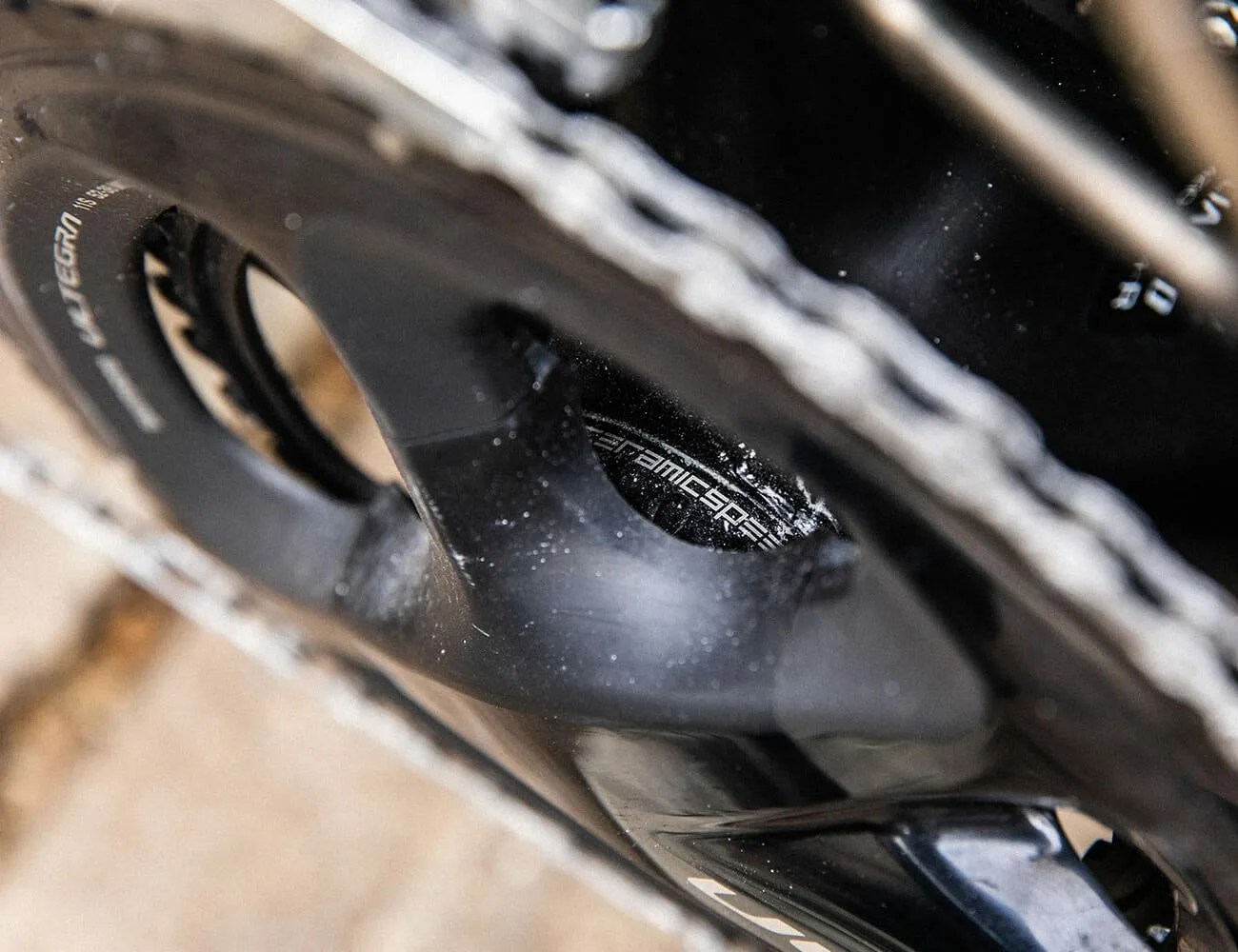
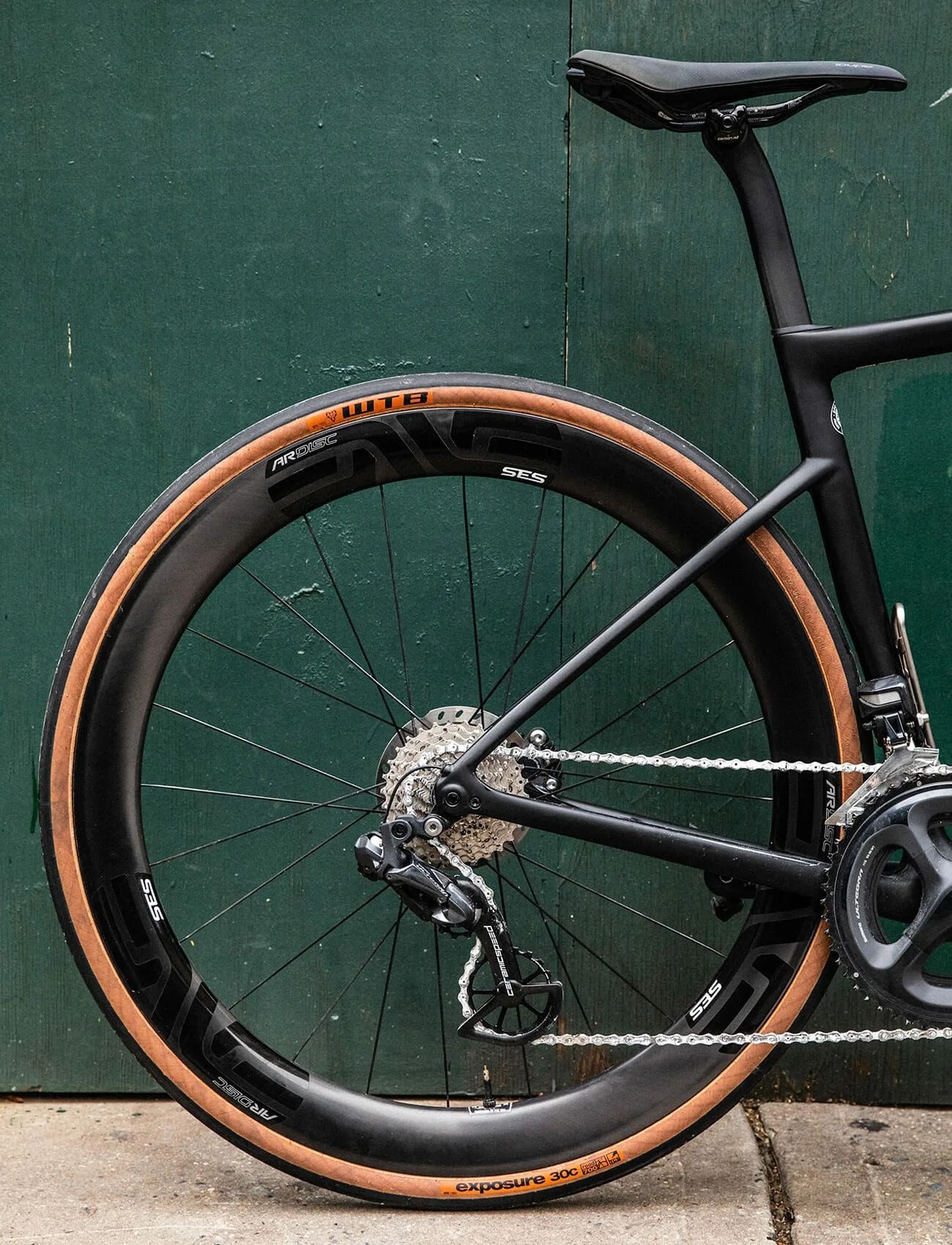
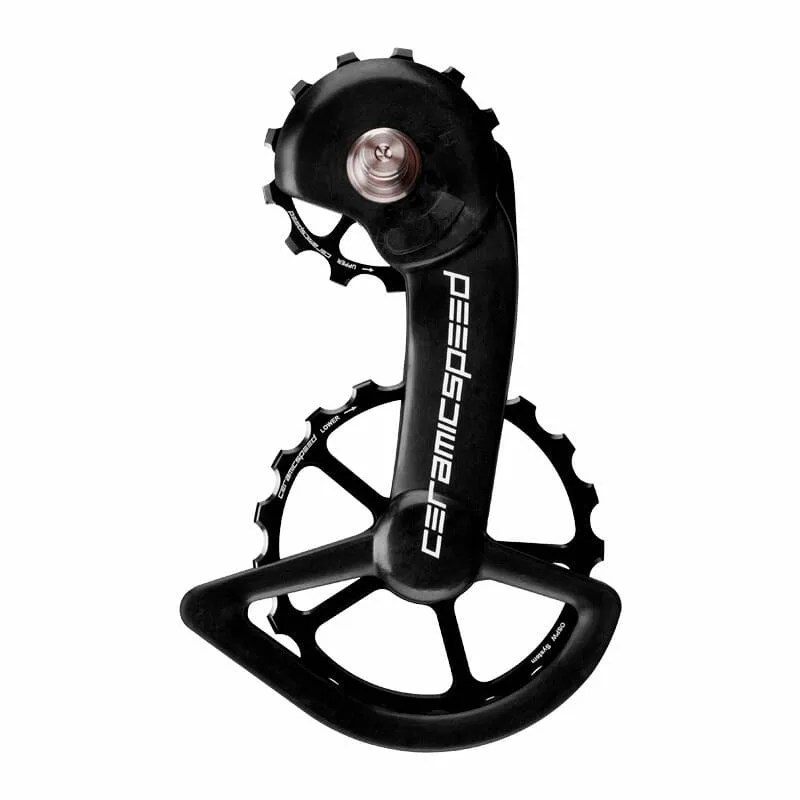
For the lay person, or those cyclists who train and ride without power meters, that number may not really seem like a lot. But it translates directly into riding faster, and in turn can mean being able to ride farther. I recently decided to see what all of the hype was about, and added a handful of CeramicSpeed bits to my bike. Are they really just for dentists? Or can middling, overly average cyclists like me benefit from these upgrades as well? For reference, I added the oversized pulley wheel system, bottom bracket and the UFO-coated chain.
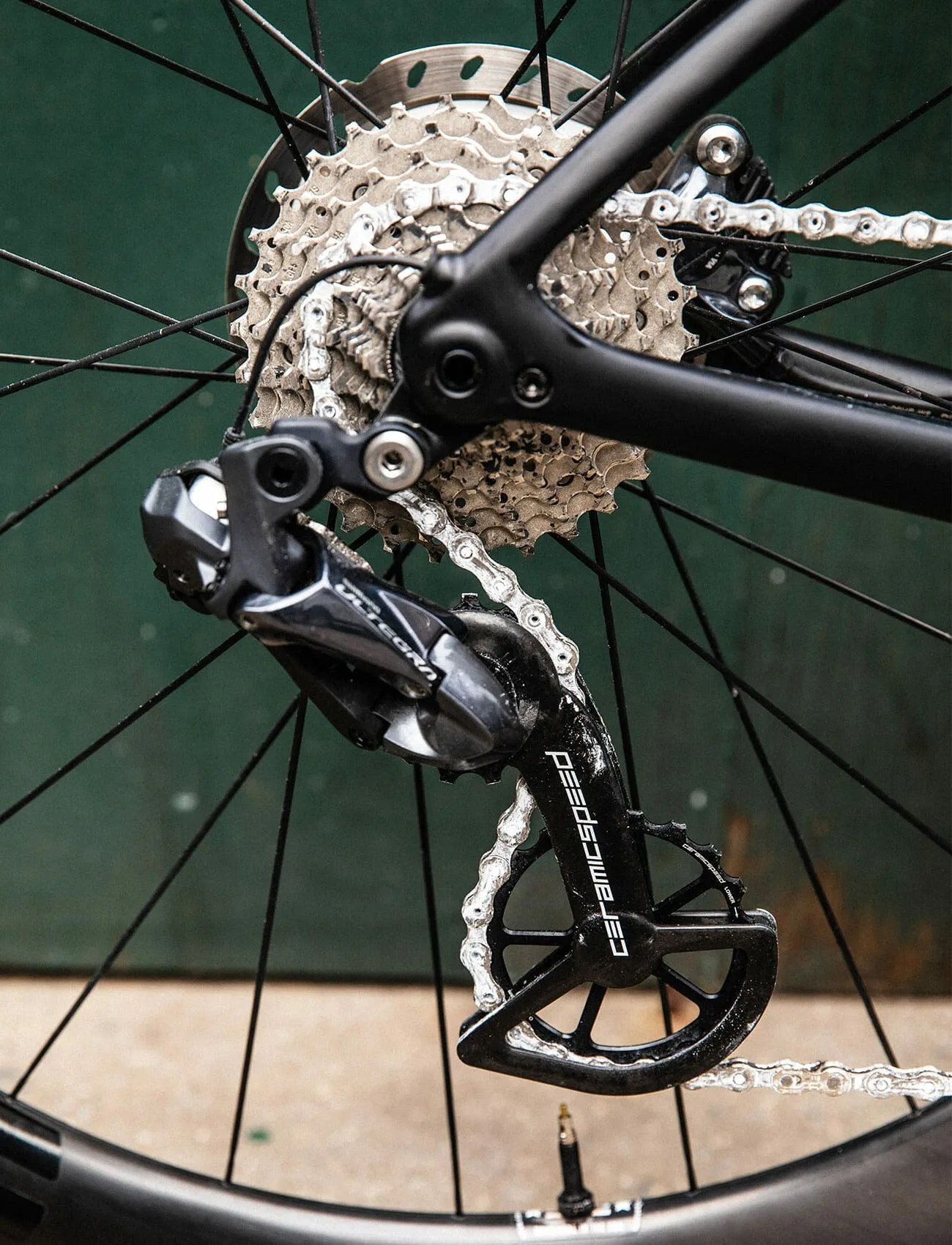
CeramicSpeed, a company known for its sport ceramic bearings, has done considerable research into the efficiencies gained by adding its oversized pulley wheels and bottom bracket to your drivetrain. (You can read in-depth about said research here.) Many professional riders in races like the Tour de France ride CeramicSpeed bearings, even if there are no logos and the brand isn’t a team sponsor. Peter Sagan swears by CeramicSpeed bearings (he’s sponsored by them), and if his three world championships have anything to say about it, it seems to be working.
The first upgrade I sought out was the oversized pulley wheel system, and that’s because the science seemed to make the most sense to me. The idea (in addition to less friction supplied by ceramic bearings) is that the larger wheels put more gradual bends in your chain, which allows it to flow through the derailleur and jockey wheels more efficiently. That’s an oversimplification of the physics, but it makes sense. According to CeramicSpeed, this also has a marginally beneficial impact on shifting efficiency.